⌂ Home/Explore the Region
EXPLORE POLAND, LOWER SILESIA & WROCŁAW

Your future home
in the heart of Europe

Discover the place where your next chapter begins

POLAND AT A GLANCE

38 million people
312,000 km² area
16 UNESCO World Heritage Sites
6th largest economy in the European Union
and 20th in the World
Official language Polish Foreign languages most commonly spoken English, German, Ukrainian, Russian, Spanish
Currency Polish złoty (PLN)
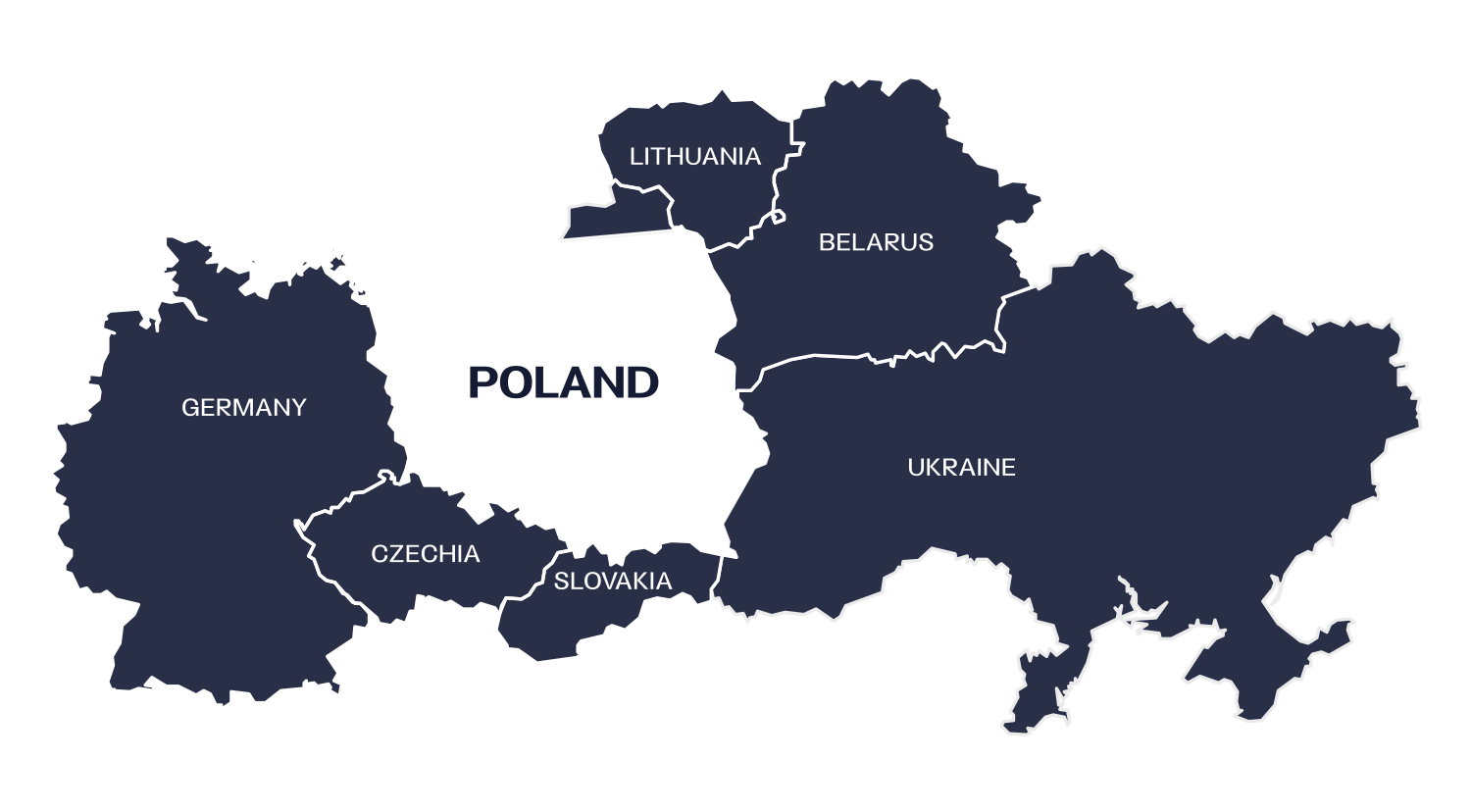
Map of Poland and neighbouring countries

One of the largest higher education hubs in Central Europe.
Culture
Traditions

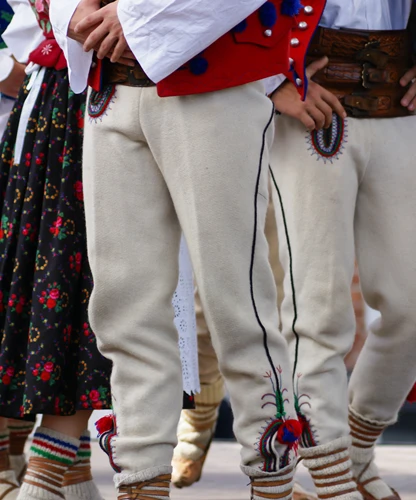
Poland’s culture has been shaped by centuries of history, from medieval cities and castles to traditions preserved across generations. From Christmas traditions and colourful regional customs to music, festivals and national celebrations, culture remains an important part of everyday life in Poland.

Polish cuisine

Polish cuisine is based on comforting, traditional dishes shaped by different regions and generations. Popular favourites include pierogi, żurek (sour rye soup), bigos (hunter’s stew), gołąbki (cabbage rolls) and regional specialities such as oscypek (cheese) from the mountains. Food is an important part of Polish hospitality.

Arts

Poland has a vibrant creative scene shaped by literature, cinema, music and contemporary design. Internationally recognised creators include filmmaker Andrzej Wajda, Nobel Prize-winning writer Wisława Szymborska, and science-fiction author Stanisław Lem, whose works have influenced readers around the world. Today, Polish culture continues to grow through film festivals, modern art, graphic design, theatre and music scenes that connect tradition with new ideas.

Famous Poles

Poland has produced many internationally recognised figures who have influenced science, culture, arts and sport. Among them are Marie Skłodowska-Curie, a two-time Nobel Prize winner, Fryderyk Chopin, one of the world’s most famous composers, Nicolaus Copernicus, whose discoveries changed our understanding of the universe or Robert Lewandowski, one of the most successful footballers of his generation.

Somewhere between quiet lakes, endless forests and lively city streets lies a Poland you may never have imagined.

A place full of contrasts, untold stories and unexpected beauty waiting to be discovered in your own way.

Poland has things you wouldn’t expect.
Białowieża Forest

Białowieża Forest

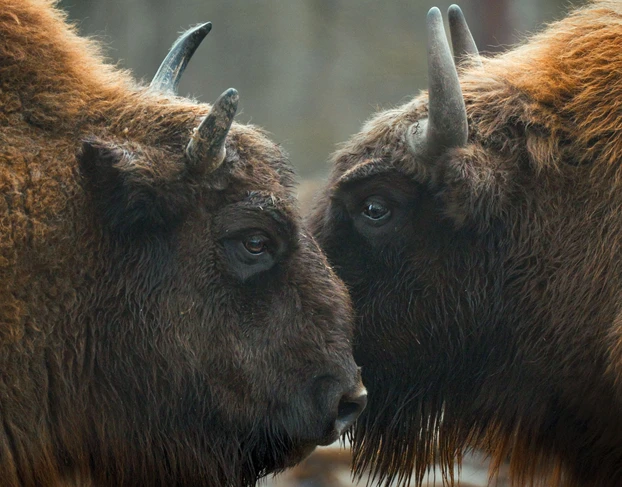
Białowieża Forest is one of Europe’s last and largest remaining parts of the primeval forest that once covered much of the continent. Located on the border between Poland and Belarus, it is a unique destination for anyone interested in wildlife, biodiversity, and the natural world. The forest is home to the European bison, an iconic symbol of Polish nature. Walking among its ancient trees offers a glimpse into a landscape that has remained largely unchanged for centuries. Białowieża Forest is home to one of the world’s most important free-roaming European bison populations.

Wieliczka Salt Mine

Wieliczka Salt Mine

For centuries, miners transformed its underground tunnels into a remarkable world of chambers, sculptures, and chapels carved from rock salt. Today, the mine is one of Poland’s most fascinating historical attractions and a UNESCO World Heritage Site. It reveals how an everyday resource helped shape the country’s economy, craftsmanship, and cultural heritage. .

Tatra Mountains

Tatra Mountains

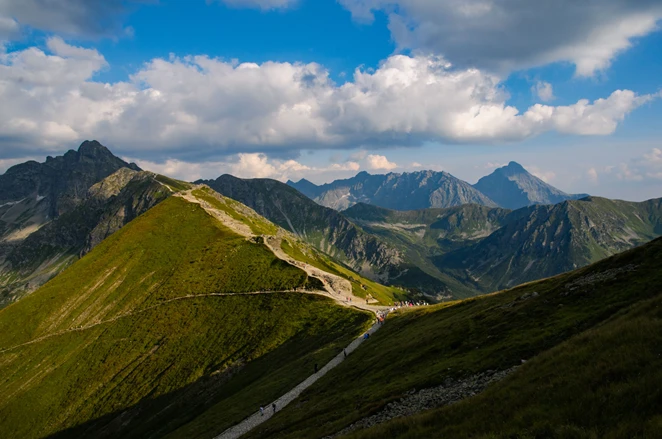
The Tatra Mountains, located in southern Poland, are the country’s highest mountain range and a paradise for hikers, climbers, and nature lovers. Their dramatic peaks, crystal-clear lakes, and scenic valleys offer breathtaking views throughout the year. The nearby town of Zakopane is famous for its traditional wooden architecture, regional cuisine, and distinctive highlander culture. Whether you enjoy winter sports or summer adventures, the Tatras reveal a wilder and more adventurous side of Poland. Rysy, on the Polish-Slovak border, reaches 2,499 metres on its Polish summit and is the highest point in Poland.

Malbork Castle

Malbork Castle

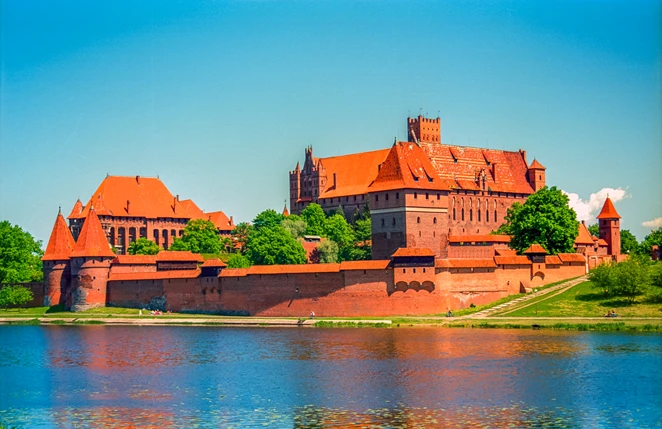
Malbork Castle, located in northern Poland, is an impressive medieval fortress built by the Teutonic Order in the 13th century. It’s recognised as the largest castle in the world by land area and is a UNESCO World Heritage Site. Its enormous red-brick walls, courtyards, and grand halls offer a fascinating insight into medieval architecture, warfare, and life in the Middle Ages. Today, the castle stands as one of Poland’s most remarkable historic landmarks and attracts visitors from around the world. Exploring its halls is like stepping back in time to discover a key chapter of European history.

The Witcher

The Witcher

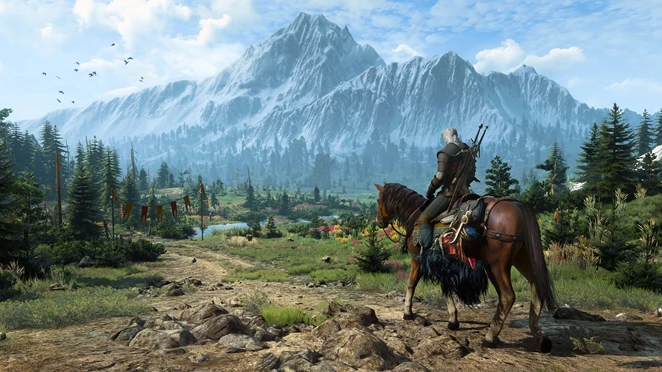
The Witcher is one of Poland’s most successful cultural exports, introducing audiences worldwide to a fantasy universe inspired by Polish literature and Slavic folklore. Created by Polish author Andrzej Sapkowski, the series follows Geralt of Rivia, a monster hunter navigating a world of magic, difficult choices, and political conflict. Its international popularity has grown through bestselling books, video games developed in Poland, and a global television adaptation. The Witcher shows how Polish storytelling and creative talent can reach audiences across cultures and borders..

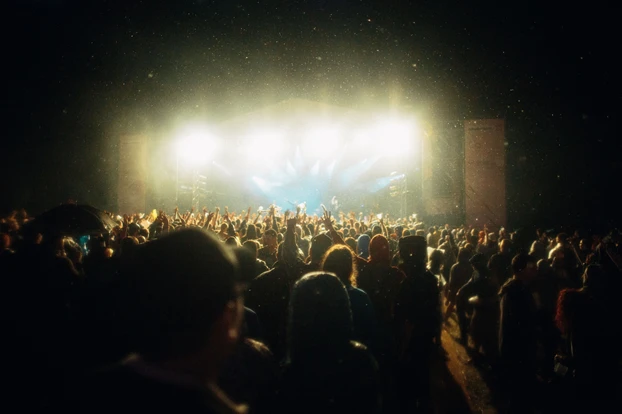
Open’er Festival:

Open’er Festival:

Open’er Festival is one of Poland’s best-known music festivals, bringing international stars and emerging artists to the Baltic coast each summer. It combines live music with art, fashion, and a vibrant atmosphere that attracts visitors from Poland and abroad. Its diverse programme spans genres such as pop, rock, electronic music, and hip-hop, making it a meeting point for different musical tastes and cultures. Open’er reflects the modern, creative, and internationally connected side of Poland.

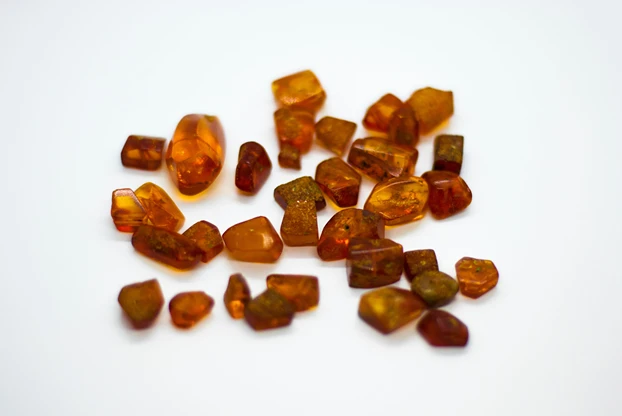
Amber

Amber

Amber, often called the “gold of the Baltic,” is one of the most recognisable natural treasures associated with Poland. The Baltic coast, particularly the historic port city of Gdańsk, has been an important centre of amber craftsmanship and trade for centuries. Polish artisans turn this golden fossilised resin into jewellery and decorative objects that combine natural beauty with traditional skills. Baltic amber can contain tiny prehistoric inclusions, such as insects and plant fragments, preserved inside the resin for millions of years.

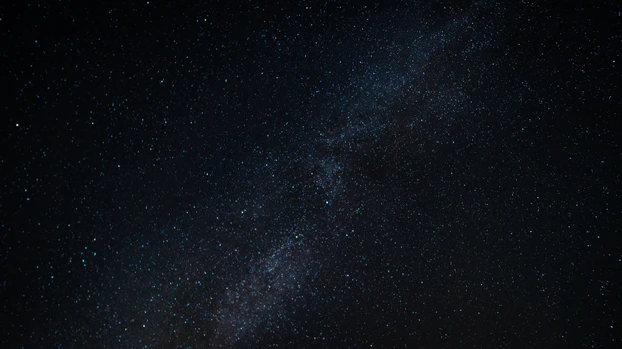
Dark Sky Area

Dark Sky Area

Poland offers remarkable places to experience the night sky far away from the bright lights of major cities. The Bieszczady Mountains, in the southeast of the country, are especially famous for their dark skies, peaceful landscapes, and excellent stargazing opportunities. On a clear night, visitors can admire thousands of stars and, under the right conditions, the Milky Way. These remote areas show how Poland can offer both outdoor adventure and a chance to reconnect with nature.

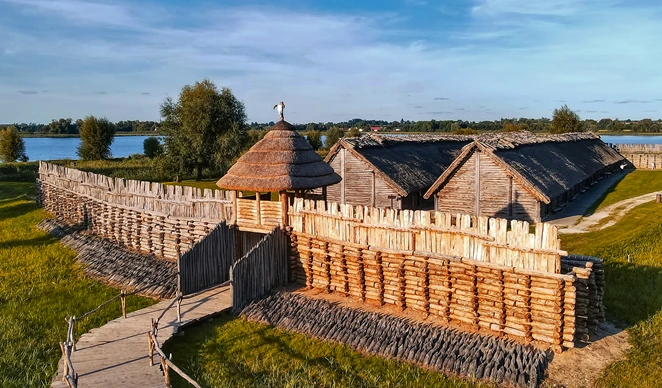
Biskupin

Biskupin

Biskupin is one of Poland’s most important archaeological sites, offering a fascinating glimpse into life thousands of years ago. It is famous for its reconstructed fortified settlement from the early Iron Age. Visitors can explore wooden houses, defensive walls, and workshops that bring ancient communities to life. The settlement dates back to around the 8th century BC and is often described as a Polish archaeological Pompeii because of its remarkably preserved remains.